

Can a foreigner get a driver’s license in Canada? There is no doubt that many newcomers arrive in Canada with many questions—one of the most common is how to drive legally.
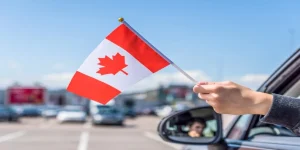
Each province and territory runs Canada’s driver licensing, so the exact steps, fees, and value of a foreign license depend on where you live.
Still, the overall path a foreigner typically follows is consistent: verify your current license, gather ID and residency documents, decide whether you can exchange or must retest, and complete any required knowledge and road tests. Knowing the right local rules will save time and money and get you on the road sooner.
How Can a Foreigner Get a Driver’s License in Canada?
If you’re an international student, temporary worker, permanent resident, or visitor, you can usually drive in Canada using a valid foreign license for a limited period and, in many cases, an International Driving Permit (IDP).
After that window—and for long-term settlement—you’ll need to obtain a provincial license. Below is a clear step-by-step process plus scholarship details useful for internationals who are studying in Canada.
1. Check if Your License is Exchangeable
Some provinces have license-exchange agreements with other countries (for example, parts of the UK, many U.S. states, certain European countries, Australia, Japan, and South Korea).
If your home country appears on the province’s reciprocal list, you may be able to trade your license for a Canadian one without a road test—often just a knowledge test and identity checks.
If not, expect graduated testing (written knowledge and practical road test stages).
Tip: Bring an official translation if your license isn’t in English or French.
2. Gather Required Documents and ID
Bring your passport, immigration doc (study/work permit or PR card), proof of local address, and your original foreign driver’s license (plus certified translation if needed).
You will usually need two pieces of ID and proof of residency. Also ask about vision testing and whether you must provide a driving history or a letter of experience from the issuing authority in your home country.
3. Use an International Driving Permit (IDP) when Visiting

An IDP along with your valid foreign license is often useful for short stays—it’s not a replacement but a translation of your existing license. If you plan to stay longer than the visitor period, plan to apply for a provincial license promptly to avoid legal issues or insurance gaps.
4. Prepare for Knowledge and Road Tests
If your foreign license is not fully exchangeable, you’ll take a written knowledge test (traffic laws, signs) and one or more road tests.
Many provinces have graduated licensing (e.g., G1/G2/G in Ontario or Class 5 stages elsewhere), requiring staged milestones and possibly a mandatory waiting period between tests. Taking a few local driving lessons helps (local rules, signage, winter driving, roundabouts).
You cannot legally drive without insurance in Canada. Expect to show proof of insurance when registering a vehicle. Insurance premiums for newcomers can be higher because of limited Canadian driving history; getting a driving record or driving experience letter from your home country can sometimes reduce costs.
After passing required tests and meeting residency requirements, you’ll receive a provincial license. Keep in mind commercial licenses, motorcycle classes, and heavy vehicle endorsements have their own testing tracks and requirements.
READ ALSO:
- Can I Get My License in Canada as a Foreigner?
- Easiest Way to Get an International Driver’s License in Canada
- How to Get an International Driver’s License in Canada?
- What are Canadian Driving Rules?
- What is the Maximum Driving Hours in Canada?
Final Steps on How a Foreigner Can Get a Driver’s License in Canada

-
Verify whether your license is exchangeable in your province.
-
Bring your passport, immigration papers, foreign license and translation, and proof of address.
-
Consider applying for an IDP for short-term driving.
-
Prepare and book the knowledge test and road test as needed.
-
Secure car insurance before driving—shop around and ask about newcomer discounts.
Getting a Canadian driver’s license is straightforward once you know the provincial path to follow: confirm exchange rules, gather documents, and prepare for any required tests. With the right paperwork and a little practice, you’ll be legally and confidently on the road—good luck, and safe driving ahead!