

What to bring to your first driving lesson: Starting your journey behind the wheel can feel exciting and slightly nerve-wracking at the same time.
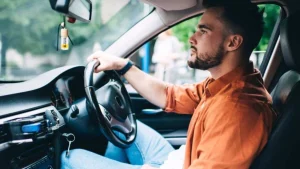
If you’re preparing for your very first lesson, one of the most common questions learners ask is what to bring to their first driving lesson.
While it may seem simple, being properly prepared can make a huge difference in how confident and comfortable you feel.
At the same time, understanding what to expect on your first driving lesson helps you show up mentally ready, not just physically equipped.
Let’s quickly walk you through everything you need to bring, while aligning with what typically happens during your first session.
Your First Driving Lesson? What to Bring
Your Provisional or Learner’s Permit
The most important item to bring to your first driving lesson is your valid learner’s permit or provisional license. Without it, your instructor cannot legally allow you to drive.
Make sure it is up to date and easily accessible. Before your lesson begins, your instructor will usually check this document as part of standard safety and legal procedures.
Knowing what to expect on your first driving lesson, this initial check is often the very first step before you even enter the vehicle.
Comfortable Clothing and Footwear
What you wear plays a bigger role than you might think. Choose comfortable, non-restrictive clothing that allows you to move freely. Avoid tight outfits or anything that limits your leg movement.
Footwear is even more important. Flat shoes with thin soles are ideal because they give you better control and feel of the pedals. Avoid high heels, sandals, or heavy boots.
Since your first lesson often involves learning pedal control, braking, and acceleration, proper footwear can improve your coordination and safety.
Glasses or Contact Lenses (If Required)
If you need corrective lenses for driving, don’t forget to bring them. Clear vision is essential, especially when learning to observe road signs, mirrors, and surroundings.
Part of what to expect on your first driving lesson includes basic vision-based tasks like reading road signs and maintaining awareness of other vehicles. Not having your glasses could make the lesson more stressful and less productive.
A Bottle of Water
Driving requires concentration, and even a short lesson can feel mentally demanding for beginners. Bringing a bottle of water helps you stay hydrated and focused throughout the session.
Many first-time learners underestimate how mentally engaging driving is. Since what to expect on your first driving lesson includes absorbing a lot of new information, staying refreshed can help you perform better.
Notebook or Notes App
While this isn’t mandatory, bringing a notebook or using your phone’s notes app can be very helpful. Your instructor will likely give you tips, corrections, and important driving principles.
Writing things down after the lesson—or even during short breaks—can help reinforce what you’ve learned. This is especially useful because your first lesson often includes a lot of new concepts like mirror checks, seat adjustments, and basic controls.
Your Instructor’s Contact Details
Before heading out, make sure you have your instructor’s contact information saved. This is useful in case you need to locate them, confirm your lesson, or communicate if you’re running late.
Understanding what to expect on your first driving lesson includes meeting your instructor, possibly for the first time. Being able to communicate easily ensures a smooth start.
Positive Mindset and Willingness to Learn

While not something you can physically pack, your mindset is one of the most important things to bring. It’s normal to feel nervous, but try to stay open, calm, and ready to learn.
Your instructor does not expect perfection. In fact, what to expect on your first driving lesson is mostly about getting familiar with the car rather than mastering driving. A positive attitude helps you absorb instructions better and reduces anxiety.
Basic Knowledge of Driving (Optional but Helpful)
You don’t need prior experience, but having a basic understanding of driving concepts can give you a head start. Knowing what the pedals do, understanding simple road signs, or watching beginner driving videos can help you feel more prepared.
During your first lesson, your instructor may explain the cockpit drill (seat, mirrors, steering, seatbelt) and introduce basic controls. Being slightly familiar with these ideas can boost your confidence.
Payment Method or Proof of Booking
Depending on your arrangement, you may need to bring cash, a card, or proof of payment. Some driving schools require payment before the lesson begins, while others allow you to pay afterwards.
It’s always best to confirm this in advance so you’re not caught off guard. This ensures your focus remains on learning rather than logistics.
Questions You Want to Ask
Your first driving lesson is also an opportunity to clarify doubts. Whether it’s about lesson structure, driving tests, or how progress will be tracked, come prepared with a few questions.
What to expect on your first driving lesson includes a short introduction and briefing; this is the perfect time to ask anything you’re unsure about.
Understanding What Happens During the Lesson
Now that you know what to bring, it’s equally important to understand how your first lesson will likely unfold. Typically, your instructor will start with an introduction and ask about your experience level.
Next, you’ll be shown how to adjust your seat, mirrors, and steering position. You’ll also learn about the pedals, dashboard controls, and basic safety checks. In many cases, you may even get the chance to drive slowly in a quiet area.
This is why bringing the right items matters. Everything you bring supports your ability to focus, stay comfortable, and make the most of this learning experience.
READ ALSO:
- What Should I Wear to My First Driving Lesson?
- What Do Instructors Check Before the First Driving Lesson?
- What Happens in Your First Driving Lesson?
- Can Adults Learn to Drive Later in Life?
- What to Expect on Your First Driving Lesson
Common Mistakes to Avoid

Many learners either overpack or forget essentials. Avoid bringing unnecessary items that could clutter the car or distract you. At the same time, don’t forget critical things like your permit or proper shoes.
Another common mistake is arriving unprepared mentally. Understanding what to expect on your first driving lesson helps you avoid surprises and feel more in control.
Preparing for your first driving lesson doesn’t have to be complicated. By bringing the right essentials—your permit, comfortable clothing, proper footwear, and a positive mindset—you set yourself up for success.
At the same time, knowing what to expect on your first driving lesson allows you to approach the experience with confidence rather than uncertainty.
Remember, your first lesson is just the beginning. It’s not about being perfect—it’s about getting comfortable, learning the basics, and taking your first step toward becoming a safe and confident driver.