

If you’ve been wondering “what should I know before my first driving lesson”, you’re not alone. Many beginners share the same concerns, especially around what to expect on their first driving lesson.

Understanding the basics ahead of time can boost your confidence, reduce anxiety, and help you make the most of your learning experience.
Below is a comprehensive guide to help you prepare mentally, physically, and practically for your very first driving lesson.
Your first driving lesson is not about perfection—it’s about introduction. Driving instructors expect beginners to have little to no experience. The main goal is to familiarise you with the car, basic controls, and simple driving techniques.
You’ll likely spend time learning how the car works, including the pedals, steering wheel, mirrors, and dashboard. This is your foundation, so don’t worry about making mistakes. In fact, mistakes are expected and are part of the learning process.
What Should I Know Before My First Driving Lesson?
If you’re unsure what to expect on your first driving lesson, here’s a breakdown of how it typically goes:
- A brief introduction with your instructor
- An overview of the vehicle controls
- Adjusting your seat and mirrors
- Learning how to start and stop the car
- Basic steering and movement in a quiet area
Most instructors will begin in a low-traffic environment, such as an empty road or parking lot, to help you build confidence without pressure.
Before your lesson, it helps to have a basic understanding of key controls:
- Accelerator – Controls speed
- Brake – Slows down or stops the car
- Clutch (for manual cars) – Used for changing gears
- Steering wheel – Controls direction
- Gear stick – Changes gears
- Handbrake – Keeps the car stationary when parked
You don’t need to master these before your lesson, but being familiar with them can make your first experience smoother.
The Importance of Staying Calm and Relaxed
Nervousness is completely normal for first-time drivers. However, staying calm is essential for learning effectively. Try to:
- Take deep breaths before and during the lesson
- Listen carefully to your instructor
- Avoid overthinking mistakes
Remember, your instructor is trained to guide beginners. They will not expect perfection, only effort and willingness to learn.
What to Wear for Your First Driving Lesson
Your clothing can impact your comfort and control while driving. Choose:
- Comfortable, non-restrictive clothing
- Flat shoes with good grip (avoid heels or sandals)
- Minimal accessories that could distract you
Proper footwear is especially important because it allows better control of the pedals.
Documents and Essentials to Bring
Before heading out, make sure you have everything required for your lesson:
- Your learner’s permit or provisional license
- Any required identification
- A pair of glasses, if you need them for driving
Some instructors may also ask you to bring a notebook for tips, although this is optional.
Mental Preparation and Mindset
Driving requires focus, patience, and a positive mindset. Before your lesson:
- Accept that you will make mistakes
- Be open to feedback and correction
- Focus on learning, not impressing
A growth mindset will help you improve faster and enjoy the process more.
Common Mistakes First-Time Drivers Make
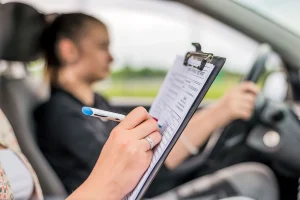
Knowing common beginner mistakes can help you avoid them:
- Pressing the pedals too hard
- Forgetting to check mirrors
- Steering too sharply
- Panicking when something goes wrong
Don’t worry if you make these mistakes—they are part of learning. Your instructor will guide you through correcting them.
Many learners expect to feel confident immediately, but driving is a skill that develops over time. Your first lesson is just the beginning.
Some people feel comfortable after a few lessons, while others take longer. The key is consistency and practice. Progress depends on your comfort level, practice frequency, and willingness to learn.
The Role of Your Driving Instructor
Your instructor plays a crucial role in your driving journey. They are responsible for:
- Teaching safe driving techniques
- Providing clear instructions
- Helping you build confidence
- Correcting mistakes constructively
Don’t hesitate to ask questions if you’re unsure about anything. Good communication will enhance your learning experience.
While lessons provide structured learning, practice helps reinforce your skills. If possible, practice with a licensed driver outside your lessons.
Even simple actions like observing traffic, understanding road signs, and watching experienced drivers can improve your awareness.
READ ALSO:
- What Should I Wear to My First Driving Lesson?
- What Happens in Your First Driving Lesson?
- What to Expect on Your First Driving Lesson
- What to Bring to Your First Driving Lesson
- First Driving Lesson Tips for Nervous Drivers
Building Confidence Behind the Wheel
Confidence comes with time and repetition. Here are some tips to build it:
- Celebrate small achievements
- Focus on progress, not perfection
- Stay patient with yourself
- Keep practising regularly
Every experienced driver was once a beginner, so trust the process.
Safety should always be your top priority. From your very first lesson, you’ll learn:
- The importance of seatbelts
- Checking mirrors and blind spots
- Maintaining safe distances
- Following road rules
Developing safe habits early will make you a responsible driver in the long run.
Frequently Asked Questions
Is the first driving lesson difficult?
Not usually. It’s designed to be simple and beginner-friendly. Most of the time is spent learning basic controls rather than driving in traffic.
Do I need to know how to drive before my first lesson?
No, you don’t need any prior experience. Driving instructors expect you to be a complete beginner.
How long is a typical first driving lesson?
Most first lessons last between one and two hours, depending on your instructor and schedule.
What if I feel too nervous to drive?
It’s completely normal. Inform your instructor about your nerves—they are trained to help you feel comfortable and confident.
Will I drive on a busy road during my first lesson?
Usually not. Most instructors start in quiet areas to help you gain confidence before moving to busier roads.
Can I fail my first driving lesson?
No, your first lesson is purely for learning. There’s no test or pass/fail outcome.
What should I focus on during my first lesson?
Focus on understanding the car controls, listening to your instructor, and staying calm.
How many lessons will I need to learn to drive?
It varies from person to person. Some learners need 10–20 lessons, while others may need more depending on their progress.

By understanding “what should I know before my first driving lesson” and preparing accordingly, you set yourself up for a positive and productive experience.
Knowing what to expect on your first driving lesson helps remove uncertainty and allows you to focus on learning with confidence. Stay patient, keep practising, and enjoy the journey toward becoming a skilled driver.