
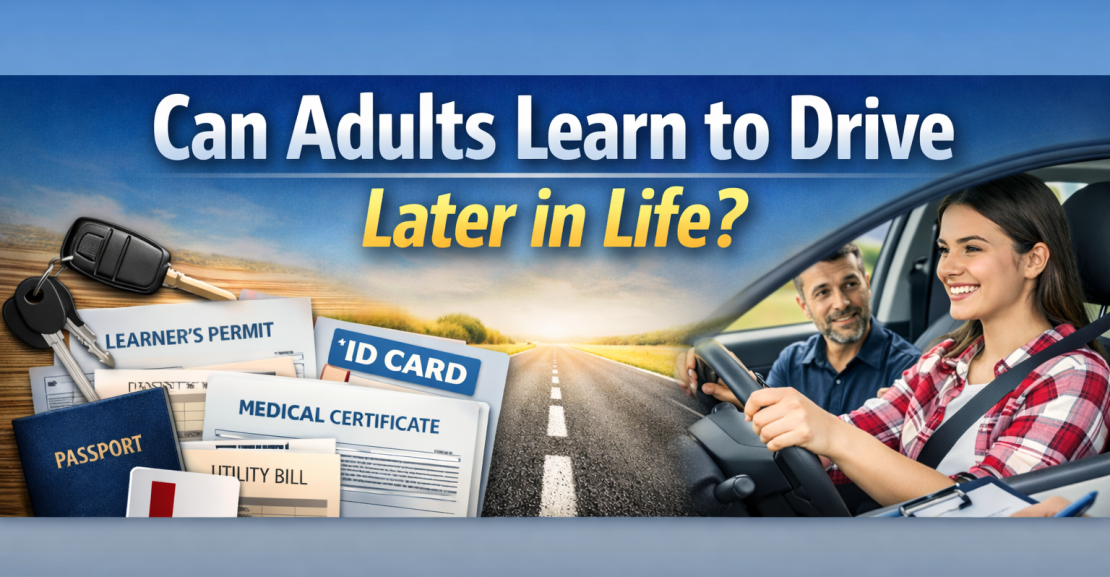
Can Adults Learn to Drive Later in Life? Learning to drive is often seen as a teenage milestone—but life doesn’t follow one script. Many people reach adulthood without ever sitting behind the wheel. If you’re wondering, can adults learn to drive later in life? The short answer is yes—and in many cases, adults learn faster and become safer drivers than younger learners.

Whether you delayed learning due to finances, fear, location, or lifestyle choices, starting later is not a disadvantage. In fact, adult learners bring maturity, patience, and a strong sense of responsibility to driving lessons. This guide explains what to expect, how to learn efficiently, and how to pass your driving test as an adult.
Can Adults Learn to Drive Later in Life?
Yes, adults can learn to drive later in life successfully. Age is not a barrier to learning driving skills. While adults may take a different learning path than teenagers, they often benefit from better focus, discipline, and decision-making abilities.
If you’re asking can adults learn to drive later in life?, the evidence is encouraging: adult learners tend to be more motivated, take lessons seriously, and practice with purpose. These traits can make the learning process smoother and more structured.
Why Many Adults Start Driving Later
People delay learning to drive for many valid reasons:
-
Living in cities with reliable public transport
-
Financial constraints earlier in life
-
Fear or anxiety about driving
-
Family or cultural expectations
-
Health or confidence challenges
-
Late career changes requiring driving
The good news is that none of these reasons prevent success. The decision to learn now is already a strong step forward.
Benefits of Learning to Drive as an Adult
1. Stronger Motivation
Adults usually learn to drive because they need to—work, family, freedom, or convenience. This real-life motivation improves commitment.
2. Better Risk Awareness
Adult learners are more cautious, better at assessing danger, and more respectful of traffic laws.
3. Financial Planning
Adults can budget for lessons, tests, and insurance more strategically.
4. Emotional Maturity
Handling mistakes, receiving feedback, and staying patient are often easier for adults.
These advantages reinforce the idea that adults can learn to drive later in life and still become confident, safe drivers.
Common Challenges Adult Learners Face
While adults can learn to drive later in life, there are a few challenges to be aware of:
-
Anxiety and fear of mistakes
-
Slower reaction time compared to teenagers
-
Busy schedules
-
Overthinking simple driving actions
The key is consistency and choosing a supportive instructor who understands adult learning styles.
READ ALSO:
- Common Mistakes New Drivers Make During Lessons
- How to Choose the Best Driving Schools
- Step-by-Step Process to Get a Driving License in 2026
- How to Prepare for Your First Driving Lesson
- What Documents Do You Need Before Starting Driving Lesson?
How Long Does It Take Adults to Learn to Drive?
There is no universal timeline. However, most adult learners reach test-ready level within 20–40 professional lessons, plus private practice where possible. Your progress depends on:
-
Previous road experience (e.g., cycling, observing drivers)
-
Lesson frequency
-
Confidence level
-
Learning style
So, when asking can adults learn to drive later in life?, the more accurate question is: how consistently are you willing to practice?
Best Learning Strategy for Adults

Choose an Instructor Who Specializes in Adult Learners
Look for instructors who work with nervous or late learners.
Start with the Basics
Don’t rush. Build confidence with steering, braking, and observation.
Practice Little and Often
Short, regular sessions work better than long, infrequent ones.
Use Simulators and Learning Apps
These improve road awareness and theory knowledge.
Track Progress
Keep a simple checklist of skills you’ve mastered.
Can Adults Learn to Drive Later in Life and Pass Easily?
Passing is not about age—it’s about preparation. Adult learners who practice consistently and take mock tests often pass on their first attempt. The mindset matters: focus on progress, not perfection.
If you believe adults can learn to drive later in life, you’ll approach lessons with patience and confidence—and that attitude alone improves outcomes.
Psychological Tips for Adult Learners
-
Accept mistakes as part of learning
-
Avoid comparing yourself to younger learners
-
Celebrate small wins (first smooth turn, first parking success)
-
Visualize success before lessons
-
Breathe and reset after errors
Confidence grows through repetition and encouragement.
Frequently Asked Question
Can adults learn to drive later in life without prior experience?
Yes. Many adults start with zero experience and become confident drivers through structured lessons and practice.
Is it harder to learn driving as an adult?
It can feel harder due to fear and overthinking, but adults often learn safer habits.
Can adults learn to drive later in life and pass the test quickly?
Yes, with consistent lessons and mock tests, many adults pass within a few months.
What is the best age to start driving?
There is no “best” age. The best time is when you’re ready and motivated.
Do adult learners need more lessons than teenagers?
Not necessarily. Some adults need fewer lessons because they take learning seriously.
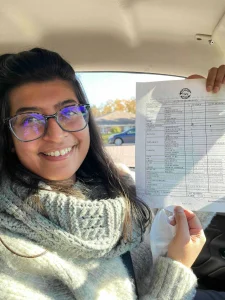
So, can adults learn to drive later in life? Absolutely. Age does not block your ability to become a confident, safe driver. What matters is commitment, practice, and the right support. Learning to drive as an adult is not a setback—it’s a powerful step toward independence, flexibility, and confidence.