

Driving Mistakes Tourists Make: Driving in England as a tourist can be an exciting experience, especially when you have the freedom to explore beautiful countryside roads, historic cities, and coastal destinations at your own pace. However, many visitors with an International Driving Permit (IDP) often make avoidable mistakes that can lead to fines, accidents, or unnecessary stress.

Understanding the common driving mistakes tourists make in England with an IDP is essential for staying safe and legal on the road.
If you are also preparing for your first driving lesson, knowing these common errors can help you understand what to expect on your first driving lesson and improve your confidence behind the wheel.
Whether you are renting a car for a holiday or planning an extended stay, this guide will help you avoid the most frequent mistakes and drive confidently in England.
Driving Mistakes Tourists Make in England
Driving on the Wrong Side of the Road
One of the most common mistakes tourists make in England is forgetting that people drive on the left-hand side of the road.
Visitors from countries where driving on the right is standard often instinctively move to the wrong lane, especially when turning at junctions or entering roundabouts. This mistake can be dangerous and is one of the first things driving instructors emphasise during lessons.
If you are wondering what to expect on your first driving lesson, learning lane discipline and road positioning is always one of the top priorities.
Always remember:
- Keep left
- Overtake on the right
- Enter roundabouts clockwise
Taking a few minutes to mentally prepare before starting the engine can help prevent this mistake.
Misunderstanding Roundabouts
England is famous for its roundabouts, and tourists often struggle with them.
Many visitors either stop unnecessarily, enter too quickly, or fail to give way to traffic approaching from the right. This confusion can cause traffic disruptions and even collisions.
During your first driving lesson, your instructor will likely explain how roundabouts work because they are a major part of everyday driving in England.
The general rule is simple: give way to traffic already on the roundabout and signal clearly before exiting.
Practising roundabouts early helps reduce driving anxiety significantly.
READ ALSO:
- International Driving Permits in England
- Driving Rules in England
- Is an IDP Required to Drive Legally in England?
- Apply for an International Driving Permit in England
Ignoring Speed Limits
Another frequent mistake is assuming speed limits work the same as in other countries.
In England, speed limits are shown in miles per hour (mph), not kilometres per hour (km/h). Tourists unfamiliar with this can accidentally drive too fast or too slowly.
Typical limits include:
- 30 mph in built-up areas
- 60 mph on single carriageways
- 70 mph on motorways and dual carriageways
Many roads also have speed cameras, and fines can be issued automatically.
This is also something covered when discussing what to expect on your first driving lesson, as instructors teach speed awareness from day one.
Parking in Restricted Areas
Tourists often underestimate how strict parking regulations are in England.
Parking on double yellow lines, in permit-only zones, or during restricted hours can result in expensive penalties. Some visitors assume a quick stop is acceptable, only to return to a parking ticket.
Always check:
- Road markings
- Parking signs
- Pay-and-display instructions
- Resident permit restrictions
Learning how to park correctly is another important part of what to expect on your first driving lesson, especially for beginners.
Failing to Understand Road Signs
Road signs in England may look different from those in your home country.
Some tourists rely too heavily on GPS and ignore physical road signs, which can lead to entering bus lanes, restricted zones, or one-way streets.
Driving instructors often spend time helping learners understand common road signs because they are essential for passing practical driving tests and for safe driving.
Before driving in England, reviewing UK road signs can save you from serious mistakes.
Assuming an IDP Replaces a Full License
Many tourists believe an International Driving Permit alone is enough to drive legally.
This is incorrect.
An IDP is only a translation of your original driving license and must be carried together with your valid domestic license. Without your original license, your IDP may not be accepted.
This misunderstanding can create major issues during police checks or car rental collection.
Knowing the legal requirements before arriving helps avoid unnecessary complications.
Poor Mirror Checks and Observation

Failing to check mirrors properly is another mistake many tourists make, especially when adapting to unfamiliar roads.
England’s roads can be narrow, busy, and full of cyclists, pedestrians, and buses. Proper observation is crucial when changing lanes, turning, or reversing.
If you are preparing for your first lesson, you should know that instructors pay close attention to mirror checks. In fact, learning observation routines is a major part of what to expect on your first driving lesson.
Good habits developed early make a huge difference.
Driving in Bus Lanes by Mistake
Bus lanes are heavily monitored in many English cities, and tourists frequently enter them accidentally.
These lanes often operate only during certain hours, and missing the sign can result in fines being issued after your trip.
This is especially common in cities like London, Manchester, and Birmingham.
Pay close attention to road markings and overhead signs to avoid penalties.
Not Preparing for Narrow Roads
Many tourists are surprised by how narrow some roads in England can be, especially in rural villages and older towns.
Drivers unfamiliar with these roads may panic, hesitate too much, or misjudge passing spaces.
Learning to control a vehicle is a major part of early driving lessons and helps build confidence in tight spaces.
If you are asking what to expect on your first driving lesson, expect plenty of focus on steering control and positioning.
Overconfidence with Rental Cars
Some tourists become overconfident simply because they have driven for years in their home country.
However, driving in England requires adapting to new rules, road layouts, and traffic behaviour. Rental cars may also feel unfamiliar, especially manual transmission vehicles.
Taking time to adjust before longer journeys is always a smart idea.
Confidence is helpful, but caution is even better.
Frequently Asked Questions
Can I drive in England with just an International Driving Permit?
No. You must carry both your valid domestic driving license and your International Driving Permit. The IDP alone is not enough.
What should I expect on my first driving lesson in England?
You should expect basic introductions to vehicle controls, mirror checks, moving off safely, stopping, steering, road positioning, and understanding local road rules like roundabouts and speed limits.
Are speed limits in England in miles or kilometres?
Speed limits in England are displayed in miles per hour (mph), not kilometres per hour (km/h).
Do tourists need to know how roundabouts work before driving in England?
Yes. Roundabouts are extremely common, and understanding how to enter, exit, and give way correctly is essential for safe driving.
Can tourists drive automatic rental cars in England?
Yes. Automatic cars are available for rent, although they may be more expensive than manual vehicles. Many tourists prefer automatics for easier adaptation.
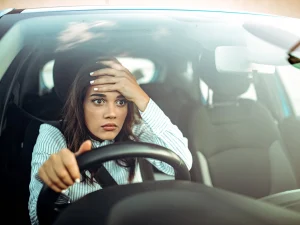
Driving in England with an IDP can be smooth and enjoyable when you understand the rules and avoid common mistakes. From driving on the left side to understanding roundabouts and parking restrictions, preparation makes all the difference.
Many of these same lessons connect directly to what to expect on your first driving lesson, making them valuable not only for tourists but also for new drivers building confidence.
The more informed you are before getting behind the wheel, the safer and more enjoyable your driving experience in England will be.